The Treasure Hunt: Finding Hidden Outdoor Gyms in Your Neighborhood
You’ve got the shoes. You’ve got the motivation. You’re ready to ditch the stuffy commercial gym. There’s just one problem: you don’t know where to go.
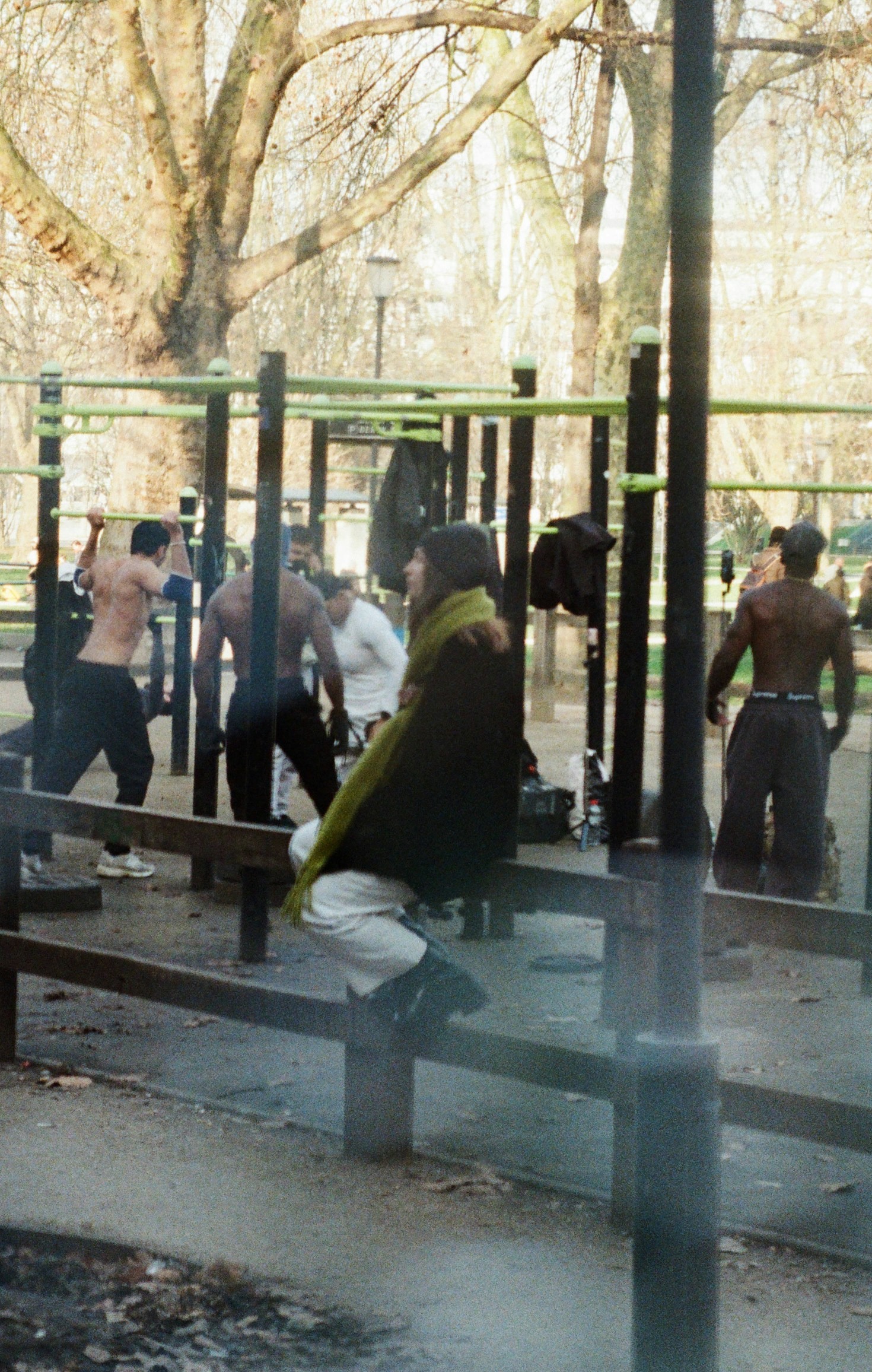
If you type “gym near me” into Google, you’ll get a list of Crossfit boxes and 24-hour fitness chains. But the best outdoor training spots are rarely listed on Yelp. They are hidden in plain sight, tucked away in corner parks, schoolyards, and along nature trails.
Finding them requires a shift in perspective. You need to stop looking for a building and start looking for infrastructure.
Here is your guide to becoming a fitness detective and uncovering the hidden outdoor gyms in your own backyard.
1. The Digital Detective Work
Before you lace up your sneakers, do some recon from your couch. There is a massive global community of outdoor fitness enthusiasts who have already done the hard work for you.
The “Waze” of Workouts There are specific databases dedicated to mapping these spots. The biggest one is Calisthenics-Parks.com. It’s essentially the Wikipedia of outdoor gyms. Users upload photos, list available equipment (pull-up bars, dip stations, monkey bars), and rate the spots.
-
Pro Tip: Don’t just look for “gyms.” Search for “Trim Trails” or “Fitness Courts.” In the UK and Europe, look for “TGO Gyms” (The Great Outdoor Gym Company), which often have their own app called TGO Activate to locate their specific installations. In the US, the National Fitness Campaign is installing thousands of futuristic-looking “Fitness Courts” across the country.
The Satellite Scout Method This is a game-changer. Open Google Maps and switch to Satellite View. Scroll over your local parks. You aren’t looking for buildings; you are looking for geometry.
-
Look for Blue or Green Squares: Modern outdoor gyms often use rubberized safety flooring that stands out against the grass.
-
Look for Shadows: A pull-up bar casts a very specific, thin, straight shadow. If you see a cluster of thin lines and shadows in a corner of a park, you’ve likely found a rig.
-
Scan the Perimeters: Architects rarely put fitness equipment in the center of a field. They tuck it along the edges, near the treeline, or next to tennis and basketball courts.
The Strava Heatmap Runners and cyclists are the eyes and ears of the outdoor world. Use the Strava Global Heatmap (you can view this for free online). Look for “hot spots” (bright lines) in parks that aren’t on the main path. If you see a bright cluster of activity in a random corner of a park where there’s no path, it’s a high probability that runners are stopping there to do push-ups or pull-ups.
2. The “Guerrilla” Gym: Seeing the Invisible
Sometimes, there is no official “gym.” No sign, no rubber floor, no dedicated pull-up bar. But if you know what to look for, the entire city is a gym. This is the essence of urban calisthenics.
The Playground Hack Children’s playgrounds are just outdoor gyms for little people.
-
The Monkey Bars: The holy grail of pull-up training.
-
The Swing Set: The A-frame on the side is often a perfect, sturdy metal bar for pull-ups or hanging leg raises.
-
The Slide: The bottom of a slide is usually the perfect height for elevated push-ups or tricep dips.
-
Etiquette Note: This is crucial. Time it right. Do not be the creeping adult working out while kids are trying to play. Early mornings (pre-7 AM) or late evenings are your window. If a family shows up, you leave.
Bike Racks The humble “staple” style bike rack (the inverted U-shape) is arguably the best piece of fitness equipment in the city.
-
It is a Dip Station.
-
It is a Bar for Inverted Rows (Australian Pull-ups).
-
It is a Hurdle for lateral jumps. You can find these behind libraries, post offices, and coffee shops.
Low Walls and Benches A sturdy knee-high wall is a Plyometric Box. You can do box jumps, step-ups, and decline push-ups (feet on the wall). A park bench is perfect for tricep dips or Bulgarian Split Squats. See what outdoor gym’s near you have to offer to get started.

3. The “Ghost” Spots
These are the locations that are technically public (or semi-public) but often fly under the radar because they aren’t in “parks.”
University Campuses Colleges often install outdoor fitness stations for their athletes and students, usually near the intramural fields or the stadium. While you can’t walk into their weight room, the outdoor tracks and calisthenics stations are often open to the public when not in use by a team.
The “Trim Trail” Popular in the 80s and making a comeback, these are fitness stations spaced out along a running trail. You run 400 meters, do some pull-ups, run another 400 meters, and do some sit-ups. Look for nature reserves or larger state parks that mention “fitness trails” on their maps.
Construction Scaffolding (Proceed with Caution) Disclaimer: Use common sense. In dense cities like New York or London, scaffolding is everywhere. A sturdy, horizontal scaffolding bar over a sidewalk can be a tempting pull-up bar.
-
The Rule: Only use it if it looks permanent and bomb-proof. Test it with a small jump first. If it rattles, walk away. And never block the sidewalk for pedestrians.

4. Evaluating Your Discovery
So, you’ve found a spot. Before you commit to a workout, do a quick safety audit.
The Shake Test Grab the bar and give it a hard shake. Public equipment sits in the rain and snow. It rusts. Bolts loosen. You do not want a bar to snap while you are upside down. If it wiggles, don’t trust it.
The Surface Check Look at the ground. Is it soft grass? Woodchips? Concrete? If you plan on doing dynamic moves (jumping, swinging), concrete is unforgiving. Check for hidden hazards like broken glass, dog mess, or uneven divots in the grass that could twist an ankle.
The “Vibe” Check Is the area well-lit? Is it secluded? While we love a hidden gem, you don’t want to be too hidden. Safety comes first. The best spots have a natural flow of foot traffic—dog walkers, runners, or parents. If a spot feels sketchy or unsafe, trust your gut and find another one.
Conclusion: The City is Your Playground
Once you start looking for them, you will see outdoor gyms everywhere. You’ll stop seeing a bus stop and start seeing a place to do calf raises. You’ll stop seeing a sturdy tree branch and start seeing a pull-up challenge.
The beauty of outdoor fitness is that it rewards curiosity. So, take a different route home today. Turn down that side street. Run through that park you usually drive past.
Your new favorite gym might be right around the corner—and the membership is free.
Leave a Reply