
Let’s talk about the smell of a gym.
You know the one. It’s a distinct cocktail of rubber mats, cleaning spray, recycled air conditioning, and the collective sweat of two hundred people. We tolerate it because we want the results. But have you ever walked out of a gym after an hour and felt… stuffy? Like you need to cough to clear your lungs?
Now, compare that to the feeling of finishing a run on a crisp autumn morning or doing pull-ups in the park just as the sun is coming up. You feel awake. You feel cleaner.
That isn’t just a placebo effect. It’s biology.
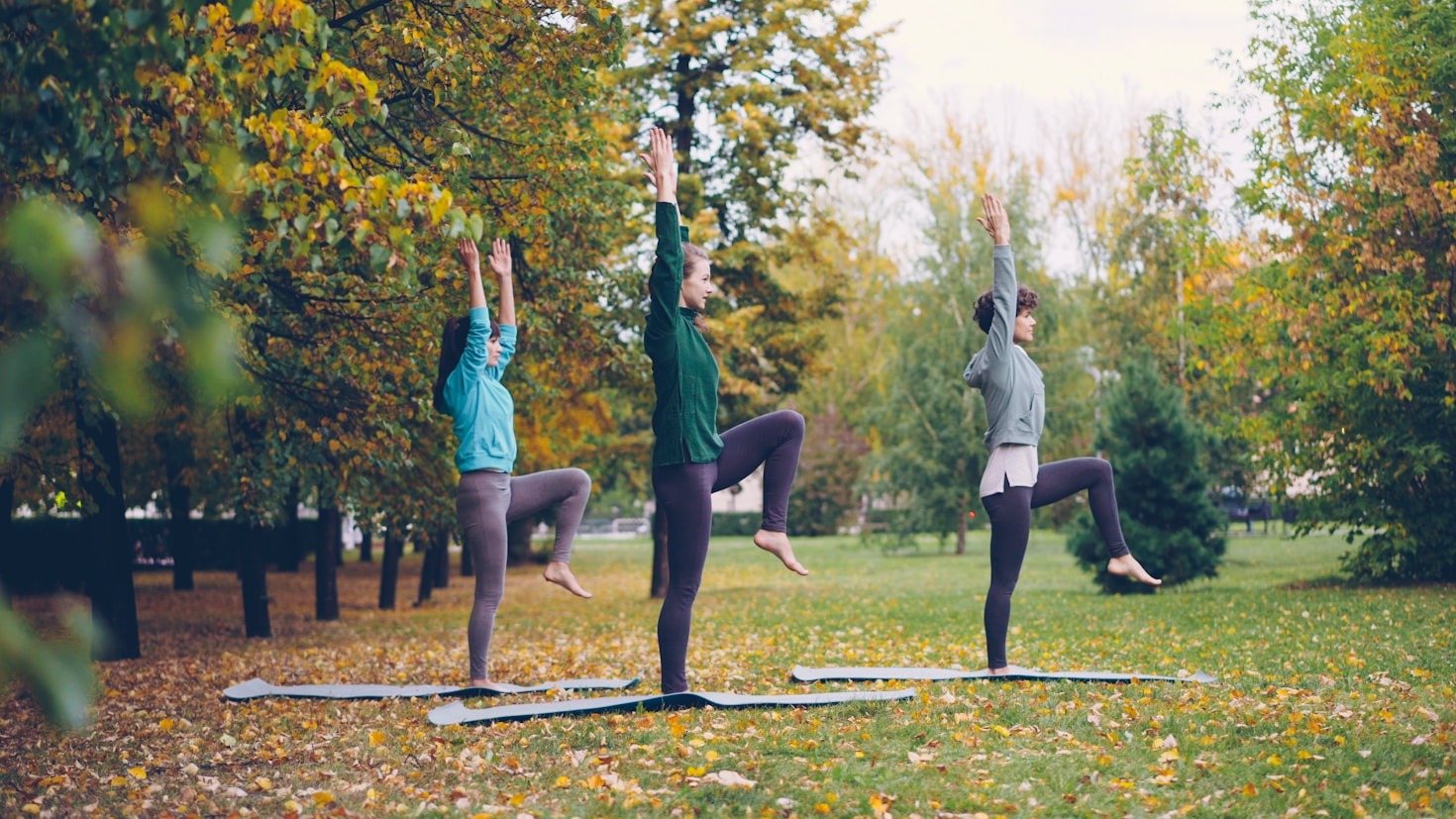
When you train outside, you aren’t just changing your view; you are changing the fuel you put into your engine. Here is why swapping the AC for a breeze is the best health hack you can make.
1. You Actually Get More Oxygen
Commercial gyms are climate-controlled bubbles. They recirculate the same air to keep the temperature stable. That means you are breathing in air that has been breathed out by fifty other people, scrubbed by a filter, and pumped back in. It’s higher in carbon dioxide and often carries dust and allergens.
Outside? The air is “live.”
Unless you are training next to a six-lane highway (don’t do that), outdoor air is generally cleaner and richer in oxygen.
-
The Science: Oxygen is the primary fuel for aerobic exercise. The more efficiently you can get it into your bloodstream, the better your muscles perform.
-
The Feeling: Deep breaths outside feel satisfying. Deep breaths in a gym feel heavy. When your lungs get better fuel, your endurance improves. You might find you can run that extra mile just because you aren’t fighting for air.
2. The Sunshine Vitamin (And Why You Need It)
We are living through an epidemic of Vitamin D deficiency. Why? because we spend 90% of our lives indoors. We go from our house, to our car, to our office, to the gym, and back home.
You can take supplements, sure. But the best way to get Vitamin D is through your skin.
-
Bone Strength: Vitamin D is crucial for absorbing calcium. If you’re lifting (even bodyweight), you need strong bones to support that muscle.
-
Immunity: It’s a key player in fighting off sickness.
-
Testosterone: Some studies suggest Vitamin D levels are linked to healthy testosterone levels in men.
The Catch: You don’t need to bake in the sun for hours. Just 15–20 minutes of exposure during a workout is often enough to hit your daily quota. (Wear sunscreen if you’re out longer, obviously.)
3. The “Distraction Effect” (Why It Feels Easier)
Have you ever stared at the timer on a treadmill? A minute feels like an hour. You become hyper-aware of every ache in your legs and every drop of sweat.
When you train outside, the environment changes constantly. The wind shifts, a dog runs by, the terrain changes under your feet. This creates a psychological phenomenon called “The Distraction Effect.”
-
Your brain is so busy processing the sights and sounds of nature that it forgets to tell you how tired you are.
-
Studies have shown that people who run outside tend to run faster and harder than people on treadmills, yet they report lower levels of perceived exertion.
basically: You work harder, but it feels easier. That’s a win-win.
4. Resetting Your Sleep Clock
If you struggle to fall asleep at night, your indoor workout might be part of the problem.
Artificial light confuses your body. Bright gym lights at 8:00 PM tell your brain it’s still noon, suppressing melatonin (the sleep hormone).
Natural light, especially in the morning or late afternoon, does the opposite. It anchors your Circadian Rhythm.
-
Morning Light: Wakes you up and signals the body to stop producing melatonin.
-
Evening Light: Signals the body that the day is ending.
By training outside, you sync your biological clock with the actual clock. You’ll find yourself waking up more alert and falling asleep faster, which is when your muscles actually grow and recover.
5. The “Biophilia” Bonus (Mental Health)
There’s a fancy scientific term called “Biophilia.” It basically means that humans are hardwired to connect with nature. We spent thousands of years running through forests, not running on rubber belts in front of mirrors.
When you exercise in a green environment (parks, forests, fields), your body lowers cortisol (the stress hormone) significantly faster than when you exercise in an urban or indoor environment.
-
The result: You don’t just leave the workout with “post-gym endorphins.” You leave with a sense of calm. It turns your workout into a therapy session.
The Bottom Line
We tend to overcomplicate fitness. We worry about the perfect protein powder, the perfect shoes, and the perfect heart rate zone. But we often ignore the most basic variable of all: the environment.
Your body is an ecosystem. It needs fresh air, sunlight, and a connection to the world around it to function at its peak.
So, the next time you’re debating between the gym and the park, do your lungs a favor. Step outside, take a deep breath, and get to work. Find a free outdoor gym near you to get started.
Leave a Reply